
The Greek Meyhane Tradition: From Imbros to Moda

Updated: 3 days ago
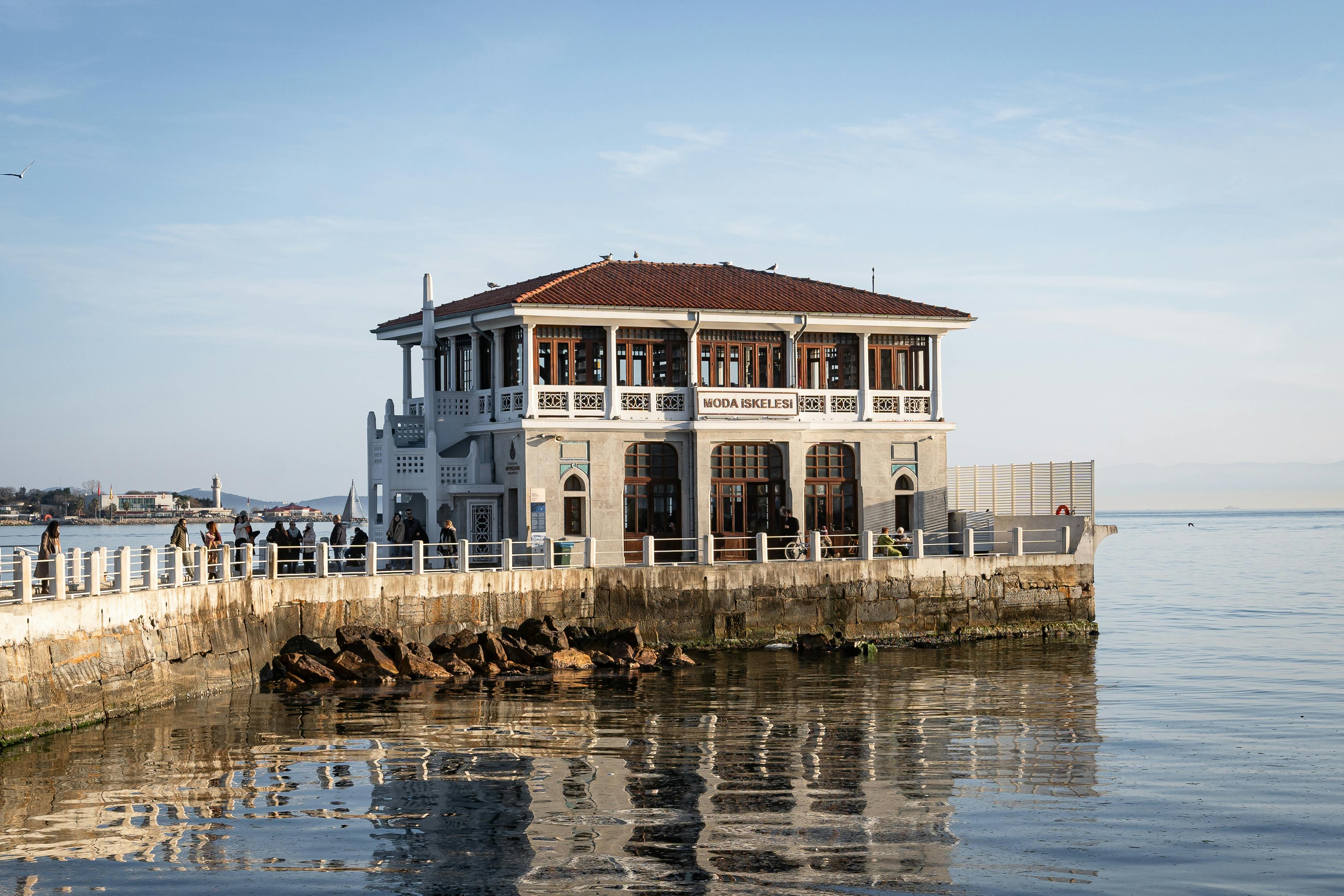
Much of what defines an Istanbul meyhane (a tavern built around rakı, small plates and conversation) was shaped by Greek Orthodox tavern-keepers, known in Turkish as Rum. Koço, the meyhane across from Moda Pier in Kadıköy, keeps that tradition. Founded in 1928 by Konstantinos "Koço" Korontos from Imbros, it now lays its table above a Greek Orthodox holy spring, with a terrace facing the Sea of Marmara.
Short answer: The Greek meyhane tradition is the tavern culture shaped in Ottoman Istanbul largely by Rum (Greek Orthodox) proprietors: olive-oil cold meze, salted and dried fish, rakı, and a long evening of conversation. Koço Restaurant is one of its living examples. It was founded in 1928 by a Greek from Imbros, and the Aya Ekaterini holy spring lies beneath its building. Moda Caddesi No:171, Kadıköy/İstanbul; open daily 12:00-00:00; reservations on +90 216 336 07 95.
The Greek roots of the Istanbul meyhane
In Ottoman Istanbul, running a meyhane was long the business of non-Muslim communities, above all the Rum. From Galata to Samatya, and from the Bosphorus villages to Kadıköy, the person behind the counter was most often a Greek tavern-keeper. Old meyhane owners were called barba, Greek for "uncle", a trace that survives in the language.
The table's vocabulary tells the same story: lakerda (salt-cured bonito), çiroz (dried mackerel) and pilaki (beans braised in olive oil) all came into Turkish from Greek. The meze habit itself is shared across the Aegean: a run of small plates instead of one main course, an anise spirit alongside, and no hurry.
What the Greek table left behind: olive oil, the sea and rakı
The clearest Greek legacy is a meze style built on olive oil and the sea: fava and pilaki dressed with olive oil and lemon, cured lakerda and çiroz, and seasonal fish chosen from the counter, then grilled, pan-fried or poached. At Koço, cold meze such as lakerda, çiroz and fava carry that line on.
At a Greek meyhane, the evening is never rushed. At Koço, with no live music or fasıl (a traditional Turkish music session), conversation sets the pace.
Moda's Greek past and Koço's founder from Imbros
Kadıköy stands on the site of ancient Chalcedon. In the 19th century Moda was a cosmopolitan seaside retreat where Rum, Armenian, Levantine and English families lived side by side, and its Greek Orthodox churches, schools and holy springs carry that past. Our guide to Kadıköy's multicultural culinary heritage traces who brought what to the neighbourhood's table.
Koço's founder, Konstantinos "Koço" Korontos, came from that Greek world: he was from Imbros, the North Aegean island known today as Gökçeada. The meyhane was founded in 1928. Today it serves guests in Moda and is counted among Istanbul's oldest meyhanes still in operation.
The holy spring beneath the meyhane
The most tangible trace of the Greek tradition at Koço lies beneath the building: the Aya Ekaterini Ayazması, a Greek Orthodox holy spring dedicated to Saint Catherine. Ayazma comes from the Greek hagiasma, "holy water". A tavern above a sacred spring is Istanbul's layered memory in miniature; the secret beneath Koço: the Aya Ekaterini holy spring tells its story.
How the tradition lives on at Koço
A meyhane tradition is measured not only by who founded the place but by how the table is laid today. At Koço the meze are made in-house and fish is chosen daily from the counter by season. Koço has been a haunt of writers such as Fazıl Hüsnü Dağlarca, Cemal Süreya, Arif Damar and Haldun Taner.
The garden and terrace face the Sea of Marmara and are open all year, and the terrace looks out to the Princes' Islands, Fenerbahçe and the historic peninsula; with the indoor hall, Koço can host more than 1,000 guests at once. Whether old walls or a living tradition make a meyhane historic is the subject of what makes a meyhane historic; the story of Koço traces the line from 1928 to today. The current menu is on Finedine.
Frequently Asked Questions
What is a Greek (Rum) meyhane?
A Greek or Rum meyhane is an Istanbul tavern of the kind Greek Orthodox proprietors ran in the Ottoman era, built on olive-oil cold meze, salted and dried fish, rakı and long conversation. Today the term describes meyhanes whose roots go back to that tradition.
Is Koço a Greek meyhane?
Koço's roots lie in the Greek meyhane tradition: it was founded in 1928 by Konstantinos "Koço" Korontos, a Greek from Imbros. The Aya Ekaterini holy spring lies beneath the building, and Koço serves guests in Moda, Kadıköy.
Did Istanbul's meyhane culture come from the Greeks?
Largely, yes: in the Ottoman period most of Istanbul's meyhanes were run by Rum tavern-keepers, and meze names such as lakerda, çiroz and pilaki come from Greek. Other communities added their own dishes over time, and the meyhane became Istanbul's shared table.
Where is Koço and how do I book a table?
Koço is at Moda Caddesi No:171, Kadıköy/İstanbul, across from Moda Pier. It is open daily 12:00-00:00; reservations are by phone on +90 216 336 07 95.
In Istanbul the Greek meyhane tradition is not just history but a table still being laid. To sit at it, across from Moda Pier, above a holy spring and facing the Marmara, call +90 216 336 07 95.
Address: Moda Caddesi No:171, Kadıköy/İstanbul (across from Moda Pier) · Reservations: +90 216 336 07 95 · Open every day 12:00-00:00


Comments